
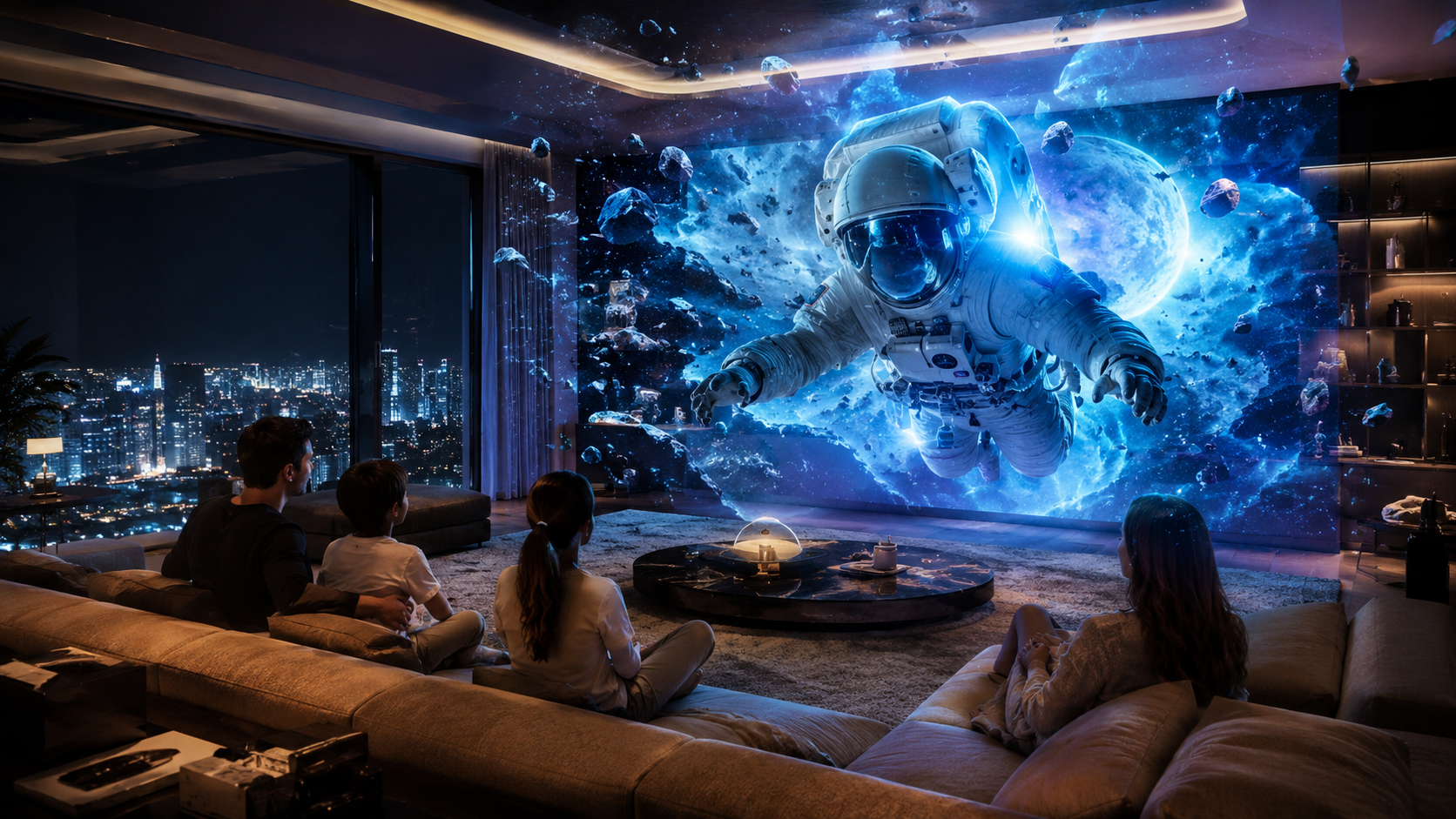
Best AI in Entertainment 2026: How AI Is Changing Movies and Media
Watching content in mid-2026 feels genuinely different from just a few years ago, not because reality and digital art have completely merged, but because the tools available to creators have expanded dramatically and the viewing experience has become more personalized. I’ve been following developments in generative cinema, virtual actors, and interactive storytelling closely this year. This guide on AI in entertainment 2026 covers what’s actually happening and what’s still more ambition than everyday reality.
AI in Entertainment 2026: AI-Generated Films and Content
One of the more striking developments in AI in entertainment 2026 is how much AI-assisted filmmaking has moved from experimental short films toward more ambitious productions. Using AI video generation tools, indie creators can now produce visually impressive content at a fraction of traditional production costs, handling elements like visual effects, environment generation, and basic animation that previously required large specialist teams.
It’s worth being honest about where this technology stands: fully AI-generated feature films that compete with major studio productions on storytelling quality and visual polish are still a developing area rather than standard practice. What’s more accurate is that AI tools are meaningfully lowering the barrier to entry for independent filmmakers and reducing costs for specific production tasks, which is genuinely significant for the creative ecosystem even if it’s less dramatic than the most optimistic headlines suggest.
Digital Twins and Virtual Actors
AI in entertainment 2026 has made photorealistic virtual actors and digital human creation considerably more accessible. Studios are using these technologies for de-aging effects, creating background characters, and in some cases developing virtual performers for specific roles. The technology is impressive and improving rapidly.
The ethical dimensions here are significant and worth taking seriously. As we discuss in our AI ethics guide, recreating deceased performers or creating virtual likenesses requires careful consideration of consent, estate rights, and audience transparency. The entertainment industry is still actively working through the frameworks for how these technologies should be used responsibly, and it remains a contested area rather than a settled one.
Interactive and Personalized Storytelling
Interactive cinema where viewers influence the story direction has moved from novelty experiments like early interactive streaming content toward more sophisticated implementations. AI in entertainment 2026 enables more dynamic branching narratives where choices can lead to genuinely different story experiences rather than just choosing between a few preset endings.
The technology is real and growing, though building truly compelling interactive narratives remains a significant creative challenge. The craft of storytelling doesn’t become simpler with more branching possibilities; it becomes more complex, which is why the most successful interactive content tends to come from teams that combine strong creative direction with the AI tools rather than treating the technology as a substitute for narrative craft.
AI-Driven Music Scoring
AI music composition tools have become genuinely useful in entertainment production contexts. AI systems that can generate background scores adapted to scene mood and pacing, or produce variations for different emotional beats, are being used in game development, streaming content, and advertising. This has made professional-quality audio more accessible for lower-budget productions.
For high-profile film scoring where a distinctive musical voice is part of the creative identity of a work, human composers remain central. The AI tools are most impactful in contexts where volume, speed, and adaptability matter more than a singular artistic voice.
Gaming and AI-Powered Characters
The integration of AI in entertainment 2026 with gaming is particularly significant. AI-powered non-player characters with genuine conversational ability and contextual reasoning, rather than scripted dialogue trees, represent a real shift in what games can offer. NPC technology has improved to the point where characters can respond meaningfully to open-ended player interactions, which changes how narrative can work in game worlds.
The Best AI Agents frameworks underlying these systems are being actively developed for gaming applications, and this is one of the areas where the gap between current reality and what the technology seems to be moving toward is closing most quickly.
Global Content Localization
AI-powered dubbing and localization has become a genuinely practical tool for content distribution in AI in entertainment 2026. Systems that can dub content into multiple languages while preserving something close to the original speaker’s voice characteristics, and sync dialogue to lip movements, have improved significantly. This matters particularly for content from smaller regional markets, including Indian language films, reaching global audiences without the cost of traditional dubbing production.
Accuracy across languages and the cultural nuance required for good localization still varies, and human review of localized content remains important for quality assurance, but the base technology is genuinely useful and increasingly practical.
What This Means for Creators and Viewers
For creators, AI in entertainment 2026 is most practically useful as a tool for reducing production costs on specific technical tasks, enabling smaller teams to attempt more ambitious projects, and accelerating content variation for A/B testing and localization. The creative direction, storytelling judgment, and emotional intelligence that makes content compelling still comes from human creative teams.
For viewers, the most immediate practical changes are better personalization in content recommendation, more accessible interactive storytelling formats, and broader availability of content in local languages through improved localization tools.
Conclusion
AI in entertainment 2026 is genuinely changing both what gets made and how it reaches audiences, even if the most dramatic “AI replaces Hollywood entirely” framing overstates where things actually are. The technology is most transformative as a creative enabler for a wider range of creators and a distribution tool for reaching more diverse audiences. At aitutorial.in, we’ll keep tracking these developments honestly. Check our Midjourney prompts guide for AI image generation tools relevant to visual creative work.