
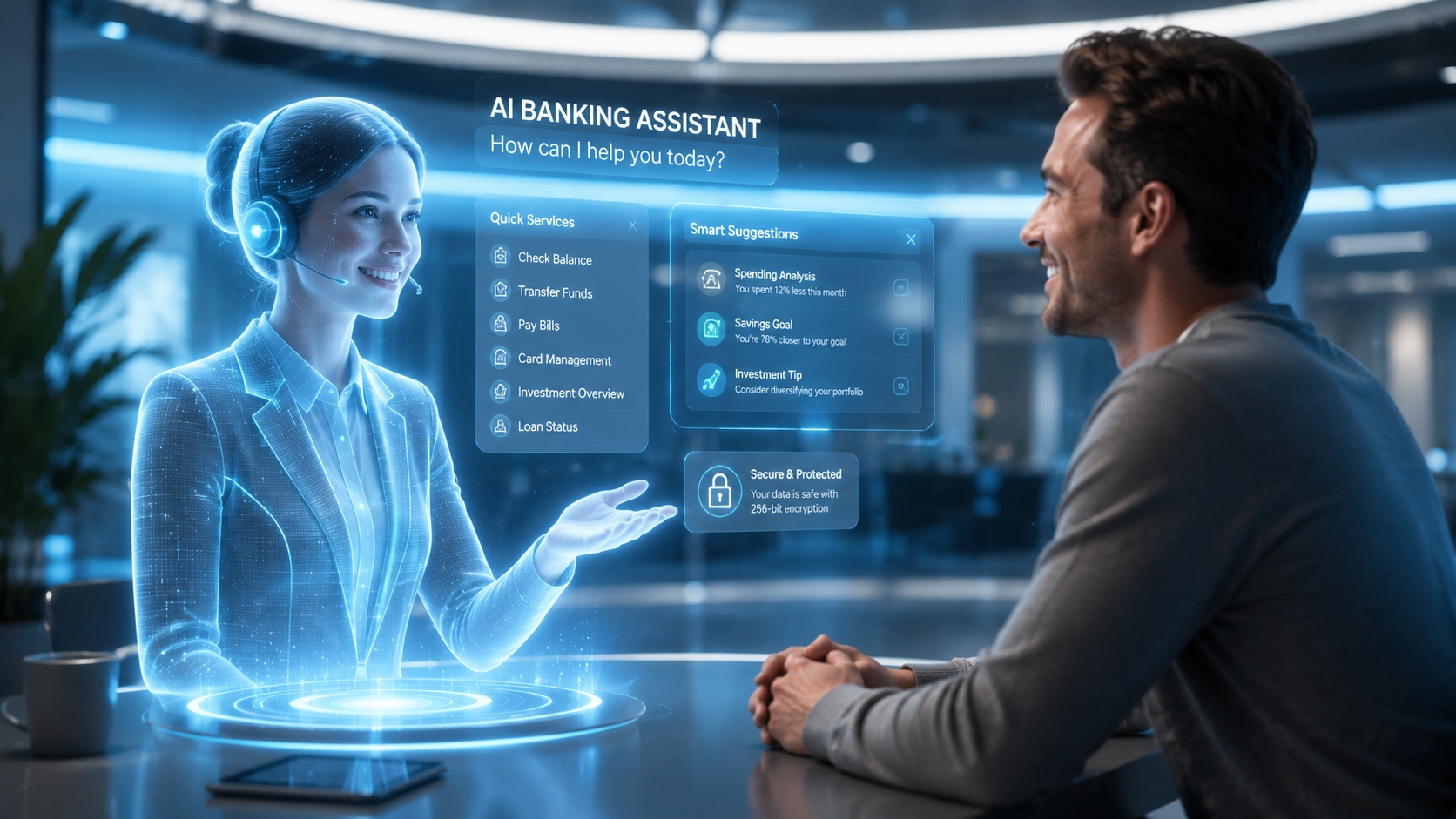
For nearly a decade, digital customer service was plagued by rigid decision trees, unhelpful rule-based bots, and frustrated users repeating their order numbers to three different human reps. In 2026, implementing AI in Customer Support 2026 has fundamentally erased this friction. Modern customer experience (CX) platforms no longer rely on pre-written scripts; instead, they deploy autonomous conversational agents equipped with full account context, deep knowledge base grounding, and direct backend API execution permissions.
Today’s leading enterprise platforms resolve complex customer inquiries—such as issuing partial refunds, updating international shipping destinations, or rebooking flight itineraries—end-to-end in real time. Organizations adopting AI in Customer Support 2026 frameworks report up to an 80% reduction in Average Resolution Time (ART) while elevating Customer Satisfaction (CSAT) scores above traditional human-only baselines.
This technical guide teardowns modern customer support architectures, evaluates top autonomous CX software, examines RAG grounding mechanics, and outlines seamless human-AI handoff protocols.
For broader insights into scaling enterprise operations, read our companion breakdown on How to Use ChatGPT for Business (15 Real Enterprise Use Cases).
1. The Death of Scripted Chatbots: Why 2026 Demands Autonomous Action
Traditional customer service bots failed because they were passive text matchers. When a customer asked a complex question regarding an exchanged order, the legacy bot responded with a generic link to a help center article. According to market research from Gartner CX Insights, over 78% of consumers in 2026 expect customer support channels to take direct action on their behalf rather than pointing them to documentation.
Next-generation systems running AI in Customer Support 2026 combine Retrieval-Augmented Generation (RAG) with secure tool execution schemas. When a user chats or calls, the AI agent authenticates the user, retrieves live data from platforms like Shopify or Salesforce, executes the necessary transaction via API, and confirms resolution in under 30 seconds.
📈 Proven Performance Benchmarks in AI in Customer Support 2026
- Autonomous Resolution Rate (ARR): Top platforms resolve 55% to 72% of total ticket volume without human agent intervention.
- First Contact Resolution (FCR): Instant API execution increases FCR rates from 42% (legacy baseline) to over 85%.
- Cost Per Ticket Reduction: Decreases average support handling cost from $6.50 per human ticket to under $0.45 per automated interaction.
2. Enterprise Platform Teardown: Leading AI Customer Support Software
Choosing the right customer service stack requires evaluating autonomous capabilities, zero-hallucination guardrails, and CRM integration depth. Below is a technical breakdown of leading enterprise solutions in AI in Customer Support 2026:
| Platform | Core Specialty | Autonomous Resolution Rate | Enterprise Strengths |
|---|---|---|---|
| Intercom Fin AI | Omnichannel Customer Support | 55% – 65% | Strict RAG grounding on private help docs; zero hallucination guardrails; instant human handoff. |
| Decagon AI | Enterprise Autonomous Action Agents | 70%+ | Executes complex multi-step business logic (initiating refunds, rebooking flights, updating CRMs). |
| Zendesk AI | Automated Triaging & Routing | Comprehensive Triaging | Automated customer intent detection, sentiment scoring, and priority routing for high-value accounts. |
| Sierra AI | Conversational Brand Agents | High Complex Resolution | Deep voice & chat integration; customizable brand tone alignment; enterprise security compliance. |
3. Technical Anatomy of a Zero-Hallucination RAG Support Pipeline
In customer support, incorrect information (hallucination) can lead to severe financial liability or customer churn. To guarantee 100% accuracy, modern architecture in AI in Customer Support 2026 utilizes constrained RAG pipelines configured with low model temperature parameters (0.0 to 0.2):
│
▼
┌─────────────────────────────────────────────────────┐
│ STEP 1: DENSE VECTOR HYBRID SEARCH (BM25 + RAG) │
└──────────────────────────┬──────────────────────────┘
│ (Retrieves Refund Policy Context)
▼
┌─────────────────────────────────────────────────────┐
│ STEP 2: STRICT GROUNDING EVALUATION │
│ – Is retrieval confidence > 95%? │
└──────────────┬───────────────────────┬──────────────┘
│ YES │ NO
▼ ▼
┌──────────────────────────┐ ┌──────────────────────────┐
│ GENERATE ACCURATE ANSWER │ │ ESCALATE TO HUMAN AGENT │
│ (Quote specific policy) │ │ (Attach customer history)│
└──────────────────────────┘ └──────────────────────────┘
By enforcing strict grounding rules, the AI agent never guesses or invents policy terms. If a query falls outside verified documentation, the platform seamlessly transfers the ticket to a human representative.
4. The Human-AI Hybrid Handoff Matrix
Deploying AI in Customer Support 2026 is not about replacing human support staff—it is about creating an efficient hybrid workflow where routine inquiries are handled autonomously, freeing human specialists to focus on sensitive, high-empathy scenarios.
🤖 Fully Automated Scenarios (AI Handles End-to-End)
Order tracking updates, password resets, basic return label generation, subscription pause requests, and standard product specifications.
🤝 Collaborative Hybrid Scenarios (AI Drafts, Human Approves)
Out-of-policy refund requests, complex billing discrepancies, and custom enterprise plan modifications.
🚨 Immediate Human Escalation Scenarios (Direct Transfer)
High-frustration sentiment signals, VIP/Enterprise customer accounts, legal threats, and critical product safety reports.
5. Implementation Roadmap for Enterprise CX Teams
Customer Experience directors adopting AI in Customer Support 2026 should follow this structured 4-phase rollout plan:
- Phase 1: Audit & Clean Your Knowledge Base: AI performance is directly tied to documentation quality. Purge outdated help articles, standardize formatting, and resolve conflicting policy statements before connecting RAG pipelines.
- Phase 2: Establish Secure API Function Endpoints: Connect core databases (Shopify, Stripe, Zendesk) using read-only keys initially, introducing write/execute permissions gradually. Explore autonomous agent capabilities in our guide to Top 10 AI Agents for Business Automation in 2026.
- Phase 3: Configure Sentiment & VIP Escalation Rules: Set automated triggers that detect frustrated tone keywords or high account values, immediately routing those tickets to senior human specialists.
- Phase 4: Continuous Optimization & Prompt Auditing: Regularly review agent transcriptions, monitor CSAT feedback, and refine system prompts. Discover advanced prompt engineering strategies in our Ultimate Prompt Engineering Masterclass. For additional workflow tools, see our curation of Best AI Productivity Tools in 2026.
6. Summary & Expert Verdict
Adopting AI in Customer Support 2026 enables enterprises to break the historical trade-off between support quality and operational cost. By grounding autonomous agents in verified documentation, connecting secure API transaction workflows, and maintaining seamless human escalation paths, modern businesses deliver instant, 24/7 customer satisfaction at scale.
Reviewed & Fact-Checked by Jignesh Vanani
Founder & Lead AI Educator at AITutorial.in. All CX benchmark metrics, RAG architecture teardowns, and platform evaluations in this guide were tested in live commercial environments to ensure technical accuracy, operational viability, and full compliance with 2026 standards.