What is Artificial Intelligence? A Simple Guide for Beginners in 2026

I remember the first time someone mentioned “Artificial Intelligence” to me. It sounded like something from a science fiction movie, not something a small business owner in Surat would ever need to think about. That was just a few years ago. Today, AI is part of how I write, research, plan, and run my daily work, and I wish someone had given me a simple, honest explanation of what it actually is when I was starting out.

This guide on artificial intelligence for beginners 2026 is exactly that: a plain-language explanation of what AI is, how it works in simple terms, why it matters for you right now, and how to start using it practically, even if you have no technical background.

Artificial Intelligence for Beginners 2026: What Is AI, Really?

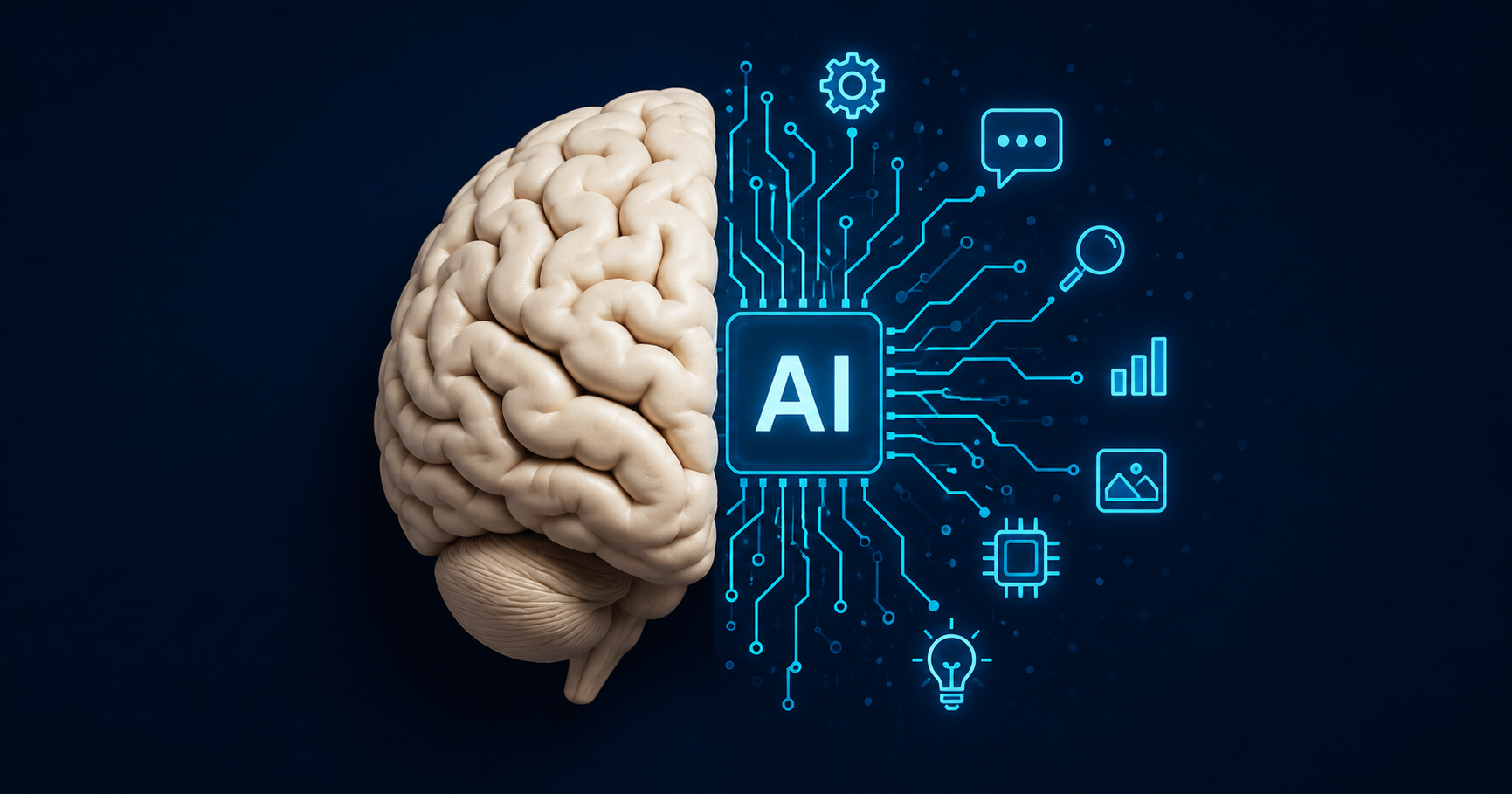
Artificial intelligence, at its simplest, is technology that allows computers to do things that normally require human intelligence. This includes understanding language, recognizing images, making decisions, solving problems, and learning from experience.

The key word is “learning.” Traditional computer programs follow rigid instructions written by programmers. AI systems, particularly modern ones, learn patterns from large amounts of data and use those patterns to handle new situations they have not seen before. This is why AI can now hold a conversation, write an email, or identify a cat in a photo without a programmer having to write explicit rules for every possible case.

For artificial intelligence for beginners 2026, the most useful mental model is this: AI is a very capable pattern-recognizing assistant that has been trained on enormous amounts of human-generated information and can apply that learning to help you with a wide range of tasks.

How Does AI Actually Work? A Simple Explanation

You do not need to understand the mathematics to use AI tools effectively, but a basic sense of how they work helps you understand both their capabilities and their limitations.

Modern AI systems, particularly the large language models that power tools like ChatGPT, are trained by processing billions of words of text from books, websites, and other sources. Through this process, they learn statistical patterns in how language works, which words and ideas tend to appear together, how sentences are structured, and how concepts relate to each other.

When you ask an AI a question or give it a task, it uses these learned patterns to generate a response that is statistically likely to be helpful and accurate based on its training. This is why AI is impressively capable at many language tasks, and also why it can occasionally be confidently wrong. It is producing what is likely to be correct based on patterns, not retrieving facts from a verified database.

As we explain in more depth in our Artificial Intelligence 2026 Guide, understanding this distinction between pattern-based generation and verified fact retrieval is one of the most important things a beginner can learn about working with AI effectively.

Artificial Intelligence for Beginners 2026: Types of AI You Will Actually Encounter

There are many technical categories of AI, but for practical purposes as a beginner in 2026, you will mostly encounter three types:

Chatbots and language AI. These are tools like ChatGPT, Claude, and Gemini that can hold conversations, write content, answer questions, summarize documents, and help with research. These are the most accessible entry point for most people and have the widest range of everyday applications.

Image and video AI. These tools can generate images from text descriptions, edit photos, create videos, and analyze visual content. We cover the creative applications of these in our Midjourney Prompts guide and Best AI Video Generators guide.

Automation and agent AI. These are tools that can perform tasks and take actions rather than just generating content, like scheduling, data processing, and multi-step workflows. Our Best AI Agents guide covers this category in detail.

Why Does AI Matter for You Right Now?

Artificial intelligence for beginners 2026 is not just an interesting technology topic. It is something that is actively changing how work gets done across almost every profession and industry.

People who learn to use AI tools effectively are completing tasks faster, producing better quality output with less effort, and taking on more ambitious projects than they could manage alone. People who are not using these tools are increasingly at a disadvantage, not because AI is replacing them, but because other people using AI can simply do more in the same amount of time.

The good news for beginners is that you do not need any technical skills to start using the most valuable AI tools available today. If you can type a message, you can use ChatGPT. If you can describe what you want to see, you can use image generation tools. The barrier to entry is genuinely low.

Google’s Digital Garage offers a free beginner AI course that pairs well with this guide if you want structured learning alongside practical tool use.

How to Start Using AI as a Complete Beginner

The most common mistake beginners make with artificial intelligence for beginners 2026 is trying to learn everything at once. A much more effective approach is to pick one specific task you do regularly and try using an AI tool for just that task for two weeks.

Good starting tasks for beginners include drafting emails you need to write regularly, summarizing long articles or documents you need to read, generating ideas for social media content, and answering questions you would otherwise spend time searching for online.

Start with ChatGPT’s free tier. Type your request in plain language the same way you would ask a knowledgeable friend. If the first response is not quite right, tell it what to change. Iterate rather than starting over. Within a few sessions, you will develop a sense of what works and what does not for your specific use cases.

Our ChatGPT for Business guide covers practical applications specifically for entrepreneurs and small business owners if that is your context.

Common Beginner Mistakes to Avoid

Understanding artificial intelligence for beginners 2026 also means understanding where beginners commonly go wrong so you can avoid the same pitfalls.

Treating AI output as automatically correct is the most common mistake. AI tools can produce plausible-sounding but incorrect information, particularly for specific facts, dates, statistics, and recent events. Always verify important facts from primary sources before relying on them.

Giving vague prompts and being disappointed with generic output is another common issue. The quality of what you get out is directly related to how specifically you describe what you want. “Write me a blog post about AI” will produce something generic. “Write me a 300-word introduction to a blog post about how small textile businesses in Surat can use AI to save time on customer communication” will produce something far more useful.

Giving up after one or two unsuccessful attempts is also common. AI tools have a learning curve, not in the technical sense, but in the sense of developing good prompting habits and understanding what a particular tool is and is not good at.

Artificial Intelligence for Beginners 2026: What to Learn Next

Once you are comfortable with basic AI tool use, the natural next steps are learning to use AI for your specific professional context, exploring automation tools that can handle multi-step tasks, and understanding the ethical considerations around AI use in your work.

Our AI Ethics guide is a good read once you have some practical experience, since the ethical questions around AI use make more sense when you have hands-on context to connect them to.

Frequently Asked Questions (FAQ)

Q1: Do I need any technical skills to start using AI tools? A: No. The most widely used and useful AI tools in 2026 are designed for everyday use without any programming or technical knowledge. If you can type a message on WhatsApp, you have all the technical skill needed to start using ChatGPT or similar tools. Technical skills become relevant if you want to build AI applications or integrate AI into software systems, but for using existing AI tools as a beginner, none are required.

Q2: Are AI tools safe to use? Can they access my personal information? A: Reputable AI tools from established companies like OpenAI, Google, and Anthropic have published privacy policies that explain what data they collect and how it is used. As a general rule, avoid entering genuinely sensitive personal information like passwords, financial account details, or confidential client data into any AI tool unless you have read and are comfortable with their data handling practices. For general tasks like writing, research, and content creation, the risk is very low.

Q3: Is AI going to take my job? A: This is one of the most common concerns for anyone new to artificial intelligence for beginners 2026. The honest answer is that AI is changing which tasks are done by humans rather than eliminating most jobs entirely. Roles that involve purely repetitive, well-defined tasks face more disruption than roles requiring judgment, relationships, creativity, and contextual understanding. Learning to use AI tools well tends to make people more valuable rather than less, since they can accomplish more with the same time. We discuss this in more depth in our AI Ethics guide.

Q4: How do I know which AI tool is right for me? A: Start with ChatGPT since it is the most versatile and has the largest community of users, which means the most available guidance for getting started. From there, identify what you find yourself wishing it could do better, and explore specialized tools for those specific needs. Our AI Productivity Tools guide covers the landscape of tools for different use cases if you want a structured overview.

Q5: Is AI content accurate? Can I trust what AI tells me? A: AI tools are impressive but not infallible. They are best understood as highly capable assistants that are often right but sometimes confidently wrong. For creative tasks, brainstorming, and drafting, this limitation matters less. For factual claims, medical information, legal advice, or financial decisions, always verify important information from authoritative primary sources rather than relying solely on AI output. Think of AI as a knowledgeable friend who has read a lot but is not a verified expert in every domain.

Conclusion

Artificial intelligence for beginners 2026 does not have to be complicated. At its core, AI is a powerful tool that helps you work faster and smarter by handling pattern-recognition and language tasks that previously required significant time or specialized skills. The best way to understand it is to start using it on something real and low-stakes, learn from what works and what does not, and build from there.

At aitutorial.in, our goal has always been to make AI accessible to everyone in India, from students in Gujarat to business owners across the country. Check our full Artificial Intelligence 2026 Guide for a deeper dive into the current AI landscape, and our AI for Students guide if you are a student looking for academic applications specifically.

Leave a Comment