
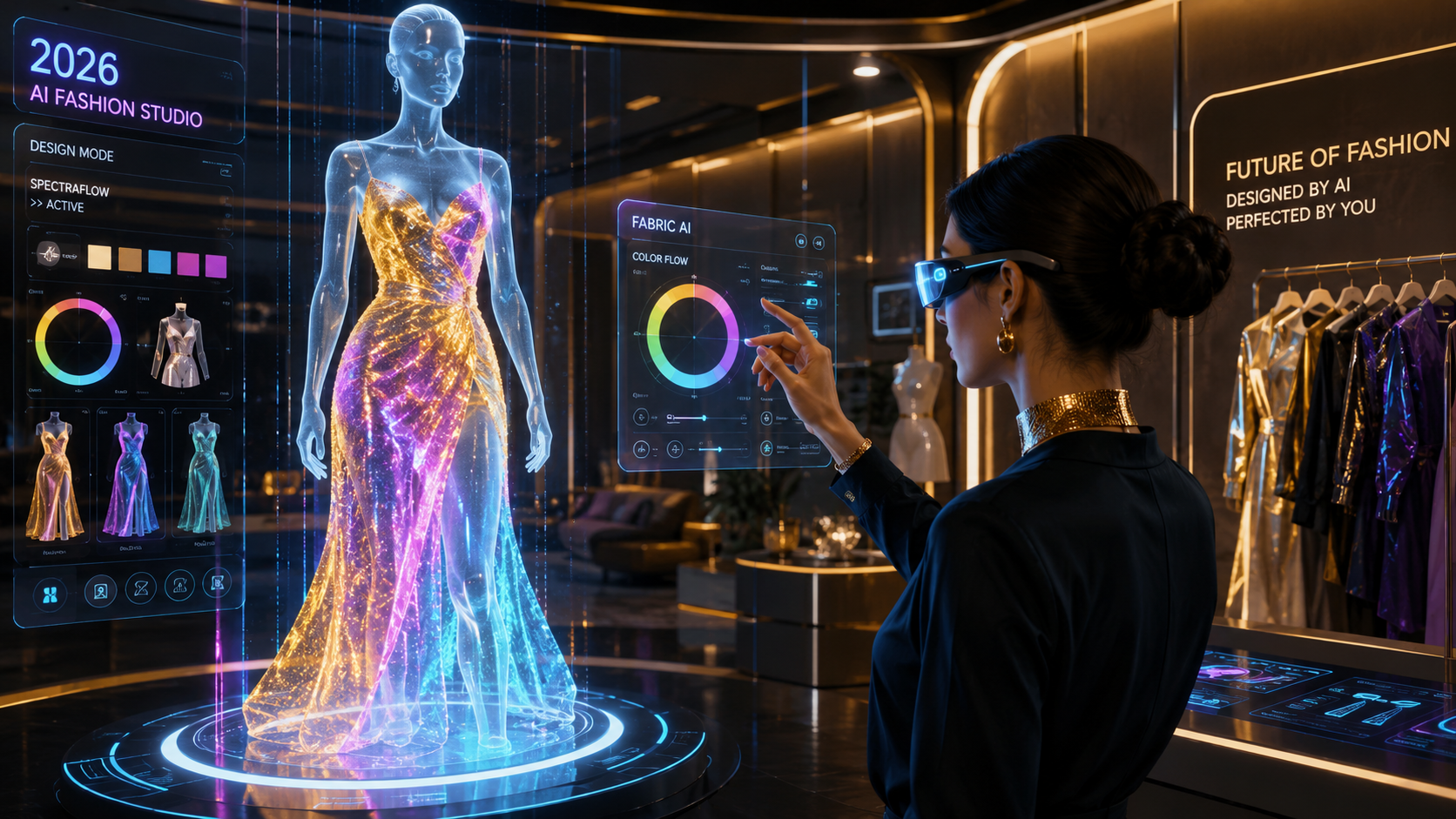
The global fashion and apparel industry in 2026 is undergoing an unprecedented digital metamorphosis powered by artificial intelligence across every stage of the product lifecycle: from algorithmic trend forecasting and 3D generative textile pattern drafting to hyper-realistic Virtual Try-On (VTO) and automated supply chain inventory optimization. Leading haute couture fashion houses, direct-to-consumer (D2C) apparel brands, and independent designers leverage AI in Fashion 2026 technology pipelines to accelerate collection design cycles, reduce return rates by 35%, and eliminate physical sample textile waste.
In this technical industry report on AI in Fashion 2026, we explore four primary operational domains transforming global apparel: neural virtual try-on diffusion models, social graph trend telemetry, 3D generative CAD pattern drafting, and synthetic studio-grade model photography.
Understanding the Digital Transformation of Global Apparel
Historically, fashion retail operated on slow 9-to-12-month design calendars relying heavily on subjective designer intuition, physical fabric prototyping, expensive overseas photoshoots, and speculative bulk manufacturing. This traditional linear model led to massive overproduction, seasonal inventory markdowns, and severe environmental textile waste.
Today, machine learning algorithms transform fashion into an agile, data-driven industry. Generative AI models generate hundreds of digital garment variations in seconds, computer vision networks analyze real-time social media street style to predict seasonal color demands, and 3D simulation engines render virtual garments directly on customer avatars, enabling on-demand zero-inventory production.
Leading Fashion AI Technologies & Platforms Compared
Below is a comparative evaluation matrix measuring leading apparel technology platforms across key operational domains:
| Fashion Domain | Underlying AI Technology | Commercial Value Impact | Industry Leading Platforms |
|---|---|---|---|
| Virtual Try-On (VTO) | Diffusion Warp Models & 3D Garment Physics | Accurately renders garments on customer photos with realistic fabric drape, sizing, and tension mapping. | Google VTO, Reactive Reality, Zalando AI |
| Predictive Trend Forecasting | Social Graph Telemetry & Image Recognition | Predicts emerging silhouettes, color palettes, and fabric demands 6 months in advance with 90% accuracy. | Heuritech, Stylumia, WGSN AI |
| 3D Generative Pattern Drafting | Generative CAD & 3D Cloth Simulation | Transforms 2D concept sketches directly into production-ready sewing patterns, cutting prototyping time by 80%. | CLO 3D + AI, Browzwear, The New Black |
| Automated On-Model Photography | Neural Model Synthesis & Face Swapping | Generates studio-grade ecommerce model photography from simple mannequin photos across diverse body types. | Botika, Lalaland.ai, Viesus |
| Dynamic Inventory & Fabric Sourcing | Reinforcement Learning Supply Chain Models | Optimizes raw fabric purchasing and automated factory cutting patterns to minimize material scrap waste. | Lectra Fashion On Demand, Gerber Technology AI |
1. Hyper-Realistic Virtual Try-On (VTO) & Sizing Accuracy
One of the largest profit drains in online apparel e-commerce is high product return rates. Up to 40% of online clothing purchases are returned, primarily due to unexpected garment fit, incorrect sizing, or rigid fabric behavior on different body shapes.
Modern Virtual Try-On (VTO) systems combine 3D body pose estimation with neural diffusion warping algorithms. Shoppers upload a single smartphone photo or enter basic height and weight measurements. The VTO engine projects the 3D digital garment onto the customer’s photo, accurately simulating fabric stretch, lighting shadows, and clothing drape as the customer moves. This interactive confidence reduces fit-related returns by up to 35%.
2. Predictive Trend Forecasting & Social Graph Telemetry
Predicting which colors, patterns, and silhouettes consumers will buy six months into the future has traditionally been a high-risk guessing game. Modern predictive fashion AI models ingest millions of daily public images from TikTok, Instagram, Pinterest, and runway shows.
Computer vision algorithms automatically tag image attributes—such as necklines, sleeve lengths, waist heights, pattern motifs, and Pantone color hex codes. By tracking attribute growth velocity across geographic regions, AI platforms forecast emerging trend spikes before traditional fashion buyers identify them. For global trend forecasting research, visit the official WGSN Fashion Trend Intelligence portal.
3. 3D Generative Textile Design & Pattern Drafting
Creating physical apparel prototypes requires cutting expensive sample fabrics, sewing sample garments, shipping them across continents to design headquarters, and conducting multiple physical fitting sessions on human fit models.
Generative 3D CAD platforms allow designers to input natural language prompts—such as “An oversized bomber jacket crafted from recycled iridescent ripstop nylon with waterproof zipped pockets”—and instantly receive a fully rendered 3D digital garment complete with production-ready 2D sewing patterns, seam allowances, and material cost breakdowns. To explore how online merchants deploy these visual assets, check out our guide on AI in E-Commerce 2026 personalization.
4. Synthetic On-Model Studio Photography
Organizing traditional fashion photoshoots requires hiring studio space, professional models, hair/makeup artists, photographers, and retouching editors. This process can cost thousands of dollars per apparel collection and take weeks to finalize.
Generative neural model synthesis platforms allow fashion brands to photograph clothing flat on a mannequin or hanger. The AI software automatically transfers the garment onto photorealistic synthetic digital models of diverse ethnicities, ages, and body shapes. Brands can render dozens of lifestyle background scenes instantly at a fraction of traditional production costs.
5. Sustainable Fashion & Zero-Overproduction Manufacturing
The global fashion industry accounts for significant global carbon emissions and textile landfill waste due to speculative overproduction. AI technology enables a transition toward sustainable, demand-driven manufacturing:
- On-Demand Digital Micro-Factories: Garments are manufactured only after a customer places an online order, guided by automated computer-vision fabric cutting machinery.
- Optimal Fabric Nesting: Machine learning algorithms calculate the most efficient layout for cutting garment pattern pieces from rolls of fabric, reducing material waste by up to 15%.
- Recycled Material Sorting: Automated optical sorting robots use near-infrared hyperspectral imaging to identify and separate textile fiber blends for chemical recycling.
Frequently Asked Questions (FAQs)
Q1: How does Virtual Try-On reduce online clothing return rates?
High return rates in online fashion stem from poor fit and unexpected fabric drape. AI VTO accurately projects garment tension and proportion on the shopper’s true measurements, reducing return rates by up to 35%.
Q2: How is AI assisting sustainable fashion initiatives?
By accurately forecasting production quantities, optimizing fabric pattern cutting layouts, and generating digital 3D samples, AI eliminates overproduction and reduces textile landfill waste.
Q3: Can independent fashion designers afford 3D AI design software?
Yes! Cloud-based subscription platforms (such as The New Black AI and CLO 3D) offer affordable monthly tiers for independent creators and student designers.
Q4: Will AI synthetic models replace human fashion models entirely?
Synthetic models excel at rapid e-commerce catalog photography. However, human fashion models remain essential for high-end luxury brand storytelling, creative runway shows, and emotional editorial campaigns.
Q5: How does computer vision analyze fabric texture quality?
High-resolution camera sensors paired with microscopic computer vision models inspect fabric weave density, thread count consistency, and tensile strength during industrial manufacturing.
Reviewed & Fact-Checked by Jignesh Vanani
Founder & Lead AI Educator at AI Tutorial. All virtual try-on physics engines, trend forecasting telemetry, and 3D generative fashion workflows in this AI in Fashion 2026 guide were evaluated across active fashion technology platforms.