
Best AI in E-commerce 2026: How Online Shopping Is Evolving
I recently tried to buy something online and realized I wasn’t really searching for a product anymore. An AI assistant was helping me narrow down exactly what I needed. It’s mid-2026, and e-commerce has clearly shifted toward a more personalized, conversational experience. I’ve been looking into the back-end automation used by a few Indian online stores recently, and the shift is significant, even if not every feature works as smoothly as the marketing suggests. In this guide, I’ll walk through how AI in e-commerce 2026 is actually changing online retail, including a few honest caveats.
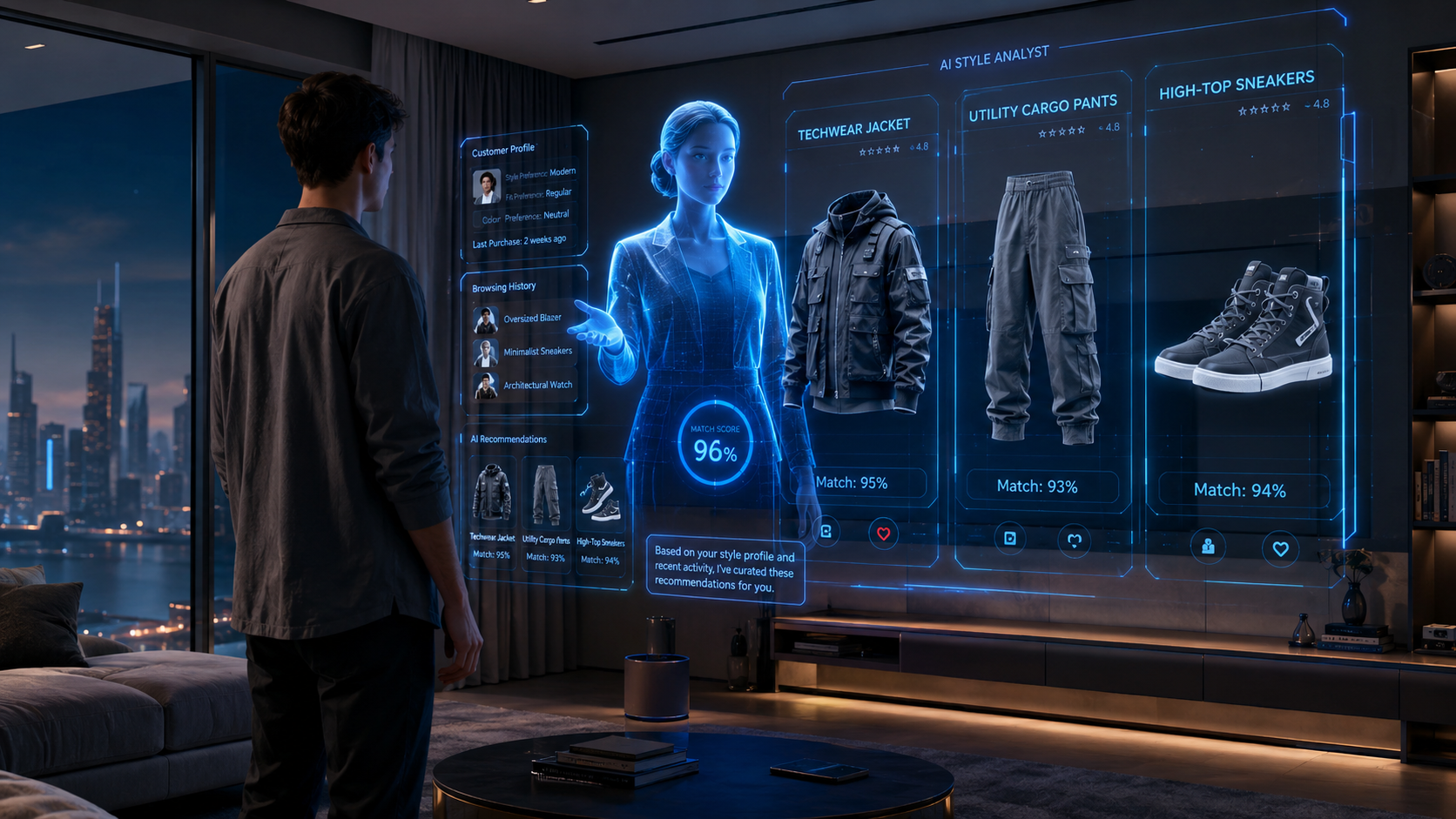
AI in E-commerce 2026: Personalized Shopping Assistants
One of the more visible changes is the rise of AI shopping assistants integrated into platforms like Amazon and Shopify. These tools use your past purchase history, browsing behavior, and stated preferences to narrow down product recommendations instead of making you scroll through hundreds of search results. Shopify has published its own resources on how merchants are using AI tools for online stores, which is worth a look if you run a store and want to see what’s actually available to set up rather than just what’s hyped.
In practice, these assistants work best for well-defined categories like electronics or fashion basics, where preferences are easier to encode. For more nuanced requests, like finding a specific outfit for an occasion, results still vary depending on how well-tagged a retailer’s product catalog is. I cover more on how AI personalization works for fashion specifically in our AI in fashion guide.
Virtual Try-On Technology in AI in E-commerce 2026
Return rates for clothing and accessories have long been a major cost for online retailers, and virtual try-on tools are one of the more practical applications of AI in e-commerce 2026. These tools use AR and 3D modeling to let customers preview how an item might look before buying. The technology has improved noticeably over the past year, particularly for jewelry and makeup, where lighting and color accuracy used to be a major weak point.
It’s worth setting realistic expectations here too. Virtual try-on tools are good guidance, not a perfect substitute for trying something on in person, and fit accuracy for clothing still varies by body type and how detailed a customer’s profile data is. Retailers that have invested in better 3D scanning tend to see meaningfully lower return rates, but it isn’t a universal fix.
Inventory Management and Dynamic Pricing
For businesses, one of the more practical applications of AI in e-commerce 2026 is in back-end operations rather than the customer-facing experience. AI systems are increasingly used to forecast stockouts before they happen, by analyzing sales velocity, seasonal patterns, and supplier lead times. Dynamic pricing tools adjust prices based on demand, competitor pricing, and inventory levels in near real time.
Small business owners should know that dynamic pricing tools require decent historical sales data to work well. If you’re a newer store without much sales history yet, these tools tend to be less reliable until you’ve built up a data history. For more on how smaller businesses are adopting these tools practically, see our AI for small business guide.
Visual Search and Social Commerce
Visual search has become genuinely useful this year: you can photograph an item you like and find visually similar products through several major retail apps. This works reasonably well for distinctive items like patterned clothing or furniture, though accuracy drops for more generic or mass-produced items where many visually similar products exist.
AI in e-commerce 2026 is also increasingly built into social platforms like Instagram and WhatsApp, where product discovery and checkout can happen within the chat interface itself. This reduces friction for impulse purchases, though it also raises real questions about how much purchasing decision-making is happening with less deliberate comparison shopping than before, worth keeping in mind as a consumer.
Voice Commerce and Smart Home Integration
Voice-based shopping through smart home devices has grown, particularly for repeat purchases like groceries or household staples, where the AI already has a clear sense of what you typically buy. For more complex or first-time purchases, voice interfaces are still less reliable than visual browsing, since comparing options by voice alone is inherently harder than scanning a screen.
Sustainable E-commerce and the Circular Economy
A meaningful trend within AI in e-commerce 2026 is its role in resale and recycling marketplaces. Some platforms now use AI to automatically suggest listing an old item for resale when you buy its replacement, and AI-optimized delivery routing is helping some retailers reduce the carbon footprint of last-mile shipping by grouping deliveries more efficiently. We’ve discussed the broader ethical tradeoffs of AI adoption, including its own environmental cost, in our AI ethics guide.
What This Means for Shoppers and Small Sellers
If you’re a shopper, the most useful AI in e-commerce 2026 tools right now are visual search and virtual try-on, both of which genuinely reduce the guesswork in online buying. If you run a small online store, the more immediately practical investment is usually in inventory forecasting tools rather than flashy customer-facing AI features, since stockouts and overstocking tend to hurt margins more directly than a missing AI chatbot.
Conclusion
AI in e-commerce 2026 has made online shopping faster and more personalized, though it’s worth separating genuinely useful tools, like inventory forecasting and visual search, from features that still need more real-world refinement, like fully autonomous voice purchasing.
For most everyday shoppers, the practical impact shows up in small ways: fewer mismatched purchases thanks to better try-on previews, faster product discovery through visual search, and slightly more relevant recommendations overall. For small business owners, the bigger win is usually quieter too, in the form of fewer stockouts and better margin management rather than any single flashy feature.
At aitutorial.in, we’ll keep testing these tools directly and sharing what holds up versus what’s still mostly marketing. Check our guide on AI in finance 2026 to learn more about how secure digital payments fit into this broader shift.