
Best AI in Fashion 2026: A New Era of Personal Style
Living in Surat, India’s textile hub, I’ve always been fascinated by fashion. By mid-2026, I’m seeing technology genuinely woven into how clothes are designed, fitted, and sold, not just marketed as a buzzword. From virtual try-on tools to AI-assisted pattern design, the industry is changing in some practical ways, though plenty of the loudest claims around it are still ahead of what the technology can reliably deliver today.
I’ve been talking to a few local designers about how they’re actually using these tools, and this guide on AI in fashion 2026 reflects what I’ve learned, including where the technology still falls short.
AI in Fashion 2026: Virtual Try-Ons and Fittings
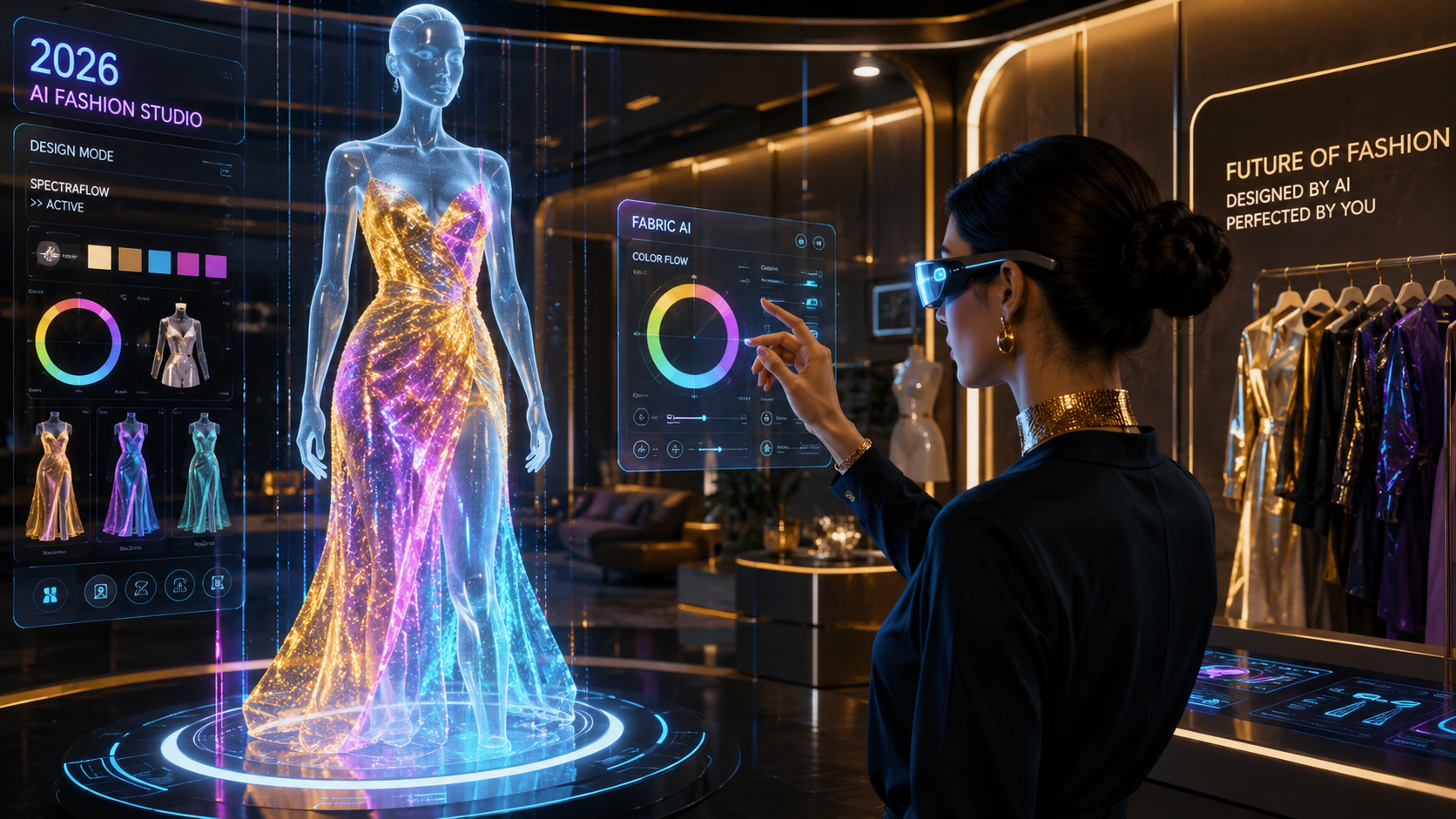
One of the more practical advances this year is in virtual try-on technology. Using a smartphone camera or personal AI hardware, AI in fashion 2026 tools can show how a garment might fit your body shape in 3D, factoring in fabric drape and movement to a reasonable degree of accuracy. This has helped reduce return rates for some e-commerce brands, since customers get a clearer sense of fit before buying.
It’s worth setting realistic expectations though. Accuracy still varies by garment type and how detailed your body scan or profile is, and these tools work better for structured clothing than for flowing or heavily draped fabrics where physics simulation is harder to get right. Treat virtual try-ons as a strong guide, not a guarantee of perfect fit.
Generative AI in Design and Custom Pieces
Design work increasingly involves AI as a collaborator rather than a replacement for human designers. As we discussed in our AI agent orchestration guide, some brands now use AI tools to analyze trend data and historical archives to suggest pattern variations, which designers then refine and finalize. This has made on-demand, semi-custom manufacturing more accessible, where a piece is produced closer to order time rather than mass-produced in advance.
The Business of Fashion has covered how AI is reshaping design workflows across the broader industry, and it’s a useful read if you want perspective beyond what a single guide can cover.
Sustainability and Waste Reduction
Reducing waste is a genuine priority for AI in fashion 2026, not just a marketing angle. AI tools are increasingly used to optimize fabric cutting layouts to minimize scrap material, and demand forecasting models help some brands avoid the overproduction that leads to unsold inventory ending up in landfills. As mentioned in our AI ethics guide, there’s also growing use of AI-driven supply chain tracking to verify ethical sourcing claims, though verification quality still depends heavily on how much data suppliers are willing to share.
Smart Fabrics and Wearable Technology
Smart fabrics, materials embedded with sensors or responsive elements, are a smaller but growing category within AI in fashion 2026. Some garments now integrate basic health monitoring, building on the kind of wearable AI we cover in our AI for fitness guide. This category is still relatively niche and tends to be priced at a premium, so it’s more of an emerging trend to watch than a mainstream shift yet. Adoption is likely to grow as sensor costs come down and the technology becomes more reliable for everyday wear and washing.
Digital Wardrobes and Outfit Planning
Managing a wardrobe has gotten genuinely easier with digital wardrobe apps. By photographing your existing clothes, an AI tool can build a virtual closet and suggest outfit combinations based on weather, your calendar, and your existing pieces. This encourages reusing clothes you already own more often, which is a small but meaningful contribution to reducing fashion waste at the individual level. For people with large wardrobes, this also helps surface forgotten pieces that might otherwise go unworn, getting more genuine use out of clothes already purchased rather than encouraging unnecessary new buying.
How AI in Fashion 2026 Is Supporting Local Designers
AI in fashion 2026 is also opening doors for smaller, local designers in hubs like Surat and Ahmedabad. Pattern design and technical garment construction, traditionally resource-intensive processes, are becoming more accessible through AI tools, letting smaller studios compete more closely with larger fashion houses on technical execution. This frees up local designers to focus more on cultural storytelling and craftsmanship, areas where human creativity still clearly leads. A few designers I spoke with described it less as AI replacing their skills and more as removing some of the tedious technical bottlenecks that used to slow down getting a new design idea into production.
What This Means for Shoppers and Designers
If you’re shopping online, virtual try-on tools are worth using to reduce returns, but it’s still worth reading size guides and reviews rather than relying on the AI fit prediction alone for important purchases, especially for occasion wear where fit really matters. If you’re a designer, AI pattern and trend tools are most useful as a starting point for iteration, not a finished product, the creative judgment still needs a human hand to feel distinctive rather than generic.
Conclusion
AI in fashion 2026 is making fitting, design iteration, and wardrobe management noticeably more efficient, while leaving genuine craftsmanship and creative direction firmly in human hands.
For shoppers, the biggest practical win is fewer mismatched online purchases and faster outfit planning. For designers and small studios, the bigger opportunity is access to technical tools that used to require larger teams and budgets, letting more creative voices compete on execution quality, not just established brand names.
At aitutorial.in, we’ll keep tracking which of these tools deliver real value for shoppers and designers versus which remain mostly experimental. Check our guide on AI in marketing 2026 to see how fashion brands are using these same AI tools to reach customers.