Optimizing Athletic Performance with Biometric Machine Learning
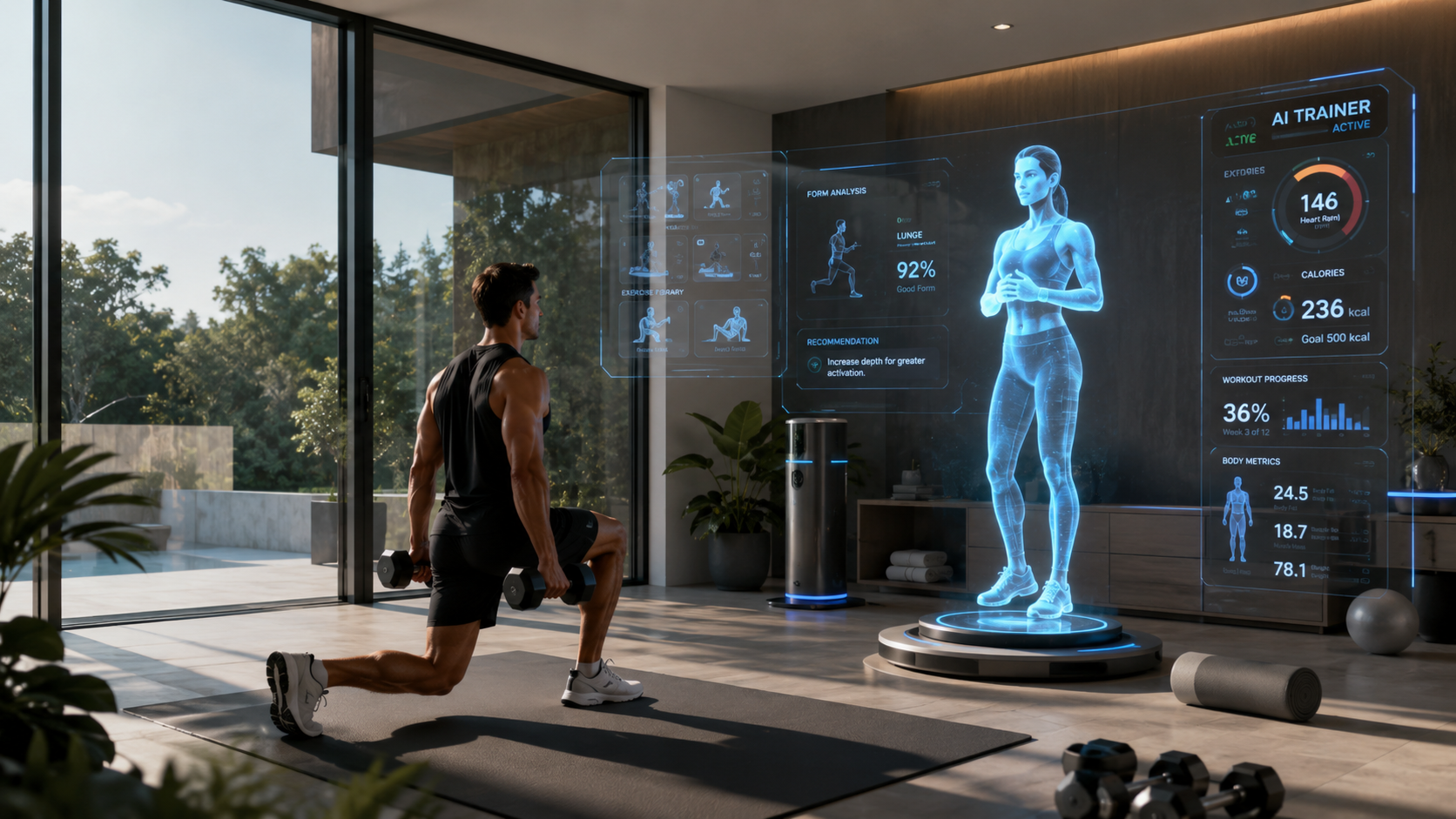
In 2026, fitness training has moved beyond static workout templates and generic calorie calculators. Modern AI fitness applications integrate real-time biometric telemetry (heart rate variability, sleep stages, muscle fatigue, VO2 max) with computer vision rep-counters to dynamically adjust daily training volume, prevent overtraining injuries, and tailor macronutrient intake.
This guide reviews the leading AI fitness platforms, computer vision form trackers, and biometric recovery optimization tools.
Top AI Fitness & Recovery Platforms Compared
| Platform | Core Strength | Key Technology | Best For |
|---|---|---|---|
| WHOOP 5.0 AI Coach | Biometric Recovery & Strain Guidance | LLM-powered conversational coach interpreting real-time recovery, HRV, and sleep debt metrics. | Athletes optimizing recovery, strain management, and endurance. |
| Fitbod AI | Dynamic Progressive Overload Strength Training | Algorithms calculating muscle recovery percentages and adjusting weights and reps for each set. | Gym-goers focused on hypertrophy and strength progression. |
| MacroFactor | Metabolic Expenditure Estimation | Adherence-neutral metabolic tracking algorithm calculating true daily energy expenditure. | Precise fat loss, muscle gain, and nutrition optimization. |
| Freeletics AI Coach | Adaptive Bodyweight & HIIT Training | Adapts training sessions in real-time based on available equipment, space, and immediate feedback. | Travelers and home workout enthusiasts. |
Frequently Asked Questions (FAQs)
How does AI adjust workout volume to prevent injury?
By monitoring Heart Rate Variability (HRV) trends and sleep quality scores, algorithms reduce high-intensity lifting volume on low-recovery days, minimizing central nervous system fatigue and joint strain.
Can computer vision accurately critique weightlifting form?
Modern mobile pose-estimation models track 33 body keypoints in real time, detecting knee valgus, spinal rounding, and bar path deviation during squats and deadlifts.