Best AI for Creative Writing 2026: Tools for Storytellers
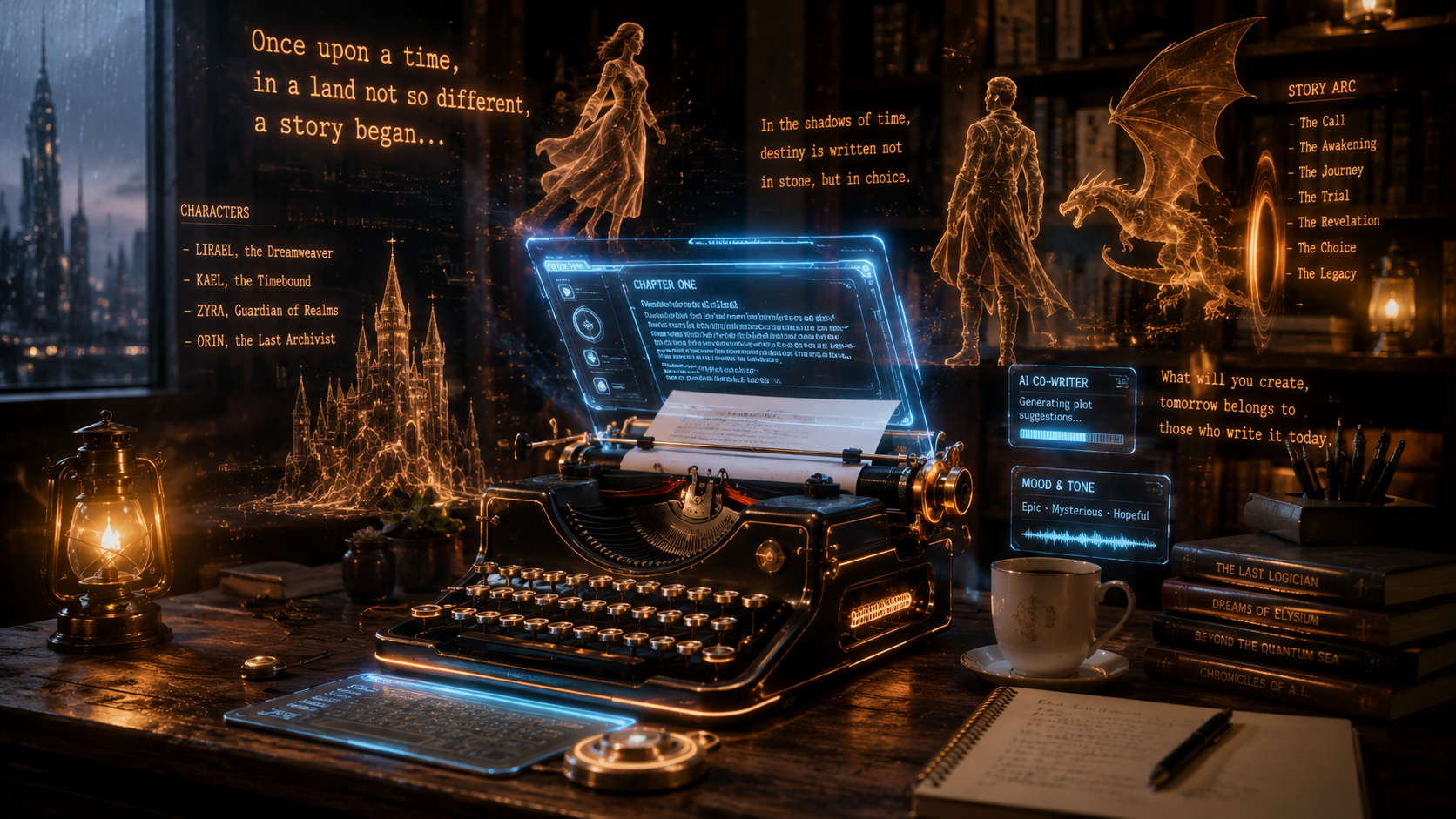
Writer’s block used to be one of my biggest creative obstacles, but since I started experimenting with advanced AI writing tools earlier this year, my process has genuinely changed, even if not in the dramatic “AI co-author” way some marketing suggests.
We’re in an era where AI tools go well beyond basic spell-checking, helping with structure, pacing, and even brainstorming plot ideas. I’ve spent the last month using these tools for narrative writing and scripts, testing them across a few different genres to see where they actually help versus where they fall flat. This guide on AI for creative writing 2026 covers what’s actually useful, along with where AI still falls noticeably short of a real co-writer.
AI for Creative Writing 2026: Narrative Structure and Consistency
Modern AI writing tools have gotten meaningfully better at handling longer narratives without losing track of character details or plot threads, which used to be a common failure point. They can help flag inconsistencies, like a character’s eye color changing partway through a manuscript, and suggest plot directions based on what’s already been established in the story.
It’s worth being clear that this is assistance, not authorship. AI suggestions for plot twists or character development still need a writer’s judgment to feel earned rather than arbitrary, and the tools work best as a second pair of eyes catching structural issues, not as a replacement for the actual storytelling decisions.
AI-Assisted World Building and Lore Generation
For fantasy and sci-fi writers, AI for creative writing 2026 has made early-stage world-building noticeably faster. AI tools can generate draft histories, naming conventions, and basic worldbuilding frameworks based on a few prompts, which writers then refine and make their own. As we discussed in our AI agent orchestration guide, some writers set up dedicated AI workflows to handle this kind of background generation while they focus on character dialogue and scene writing.
The output from these tools is usually generic at first and needs real editing to feel distinctive to your specific story world, but as a brainstorming accelerator, it genuinely saves time compared to starting from a blank page. The same applies to character backstories and minor world details that would otherwise eat up hours of planning time before the actual writing even begins.
Style Adaptation and Voice Consistency
AI for creative writing 2026 tools have improved at analyzing a writer’s existing work and helping maintain a consistent voice across new content, which is particularly useful for brands or publications that need consistent tone across many articles, as we cover in our AI in marketing guide. The results are good but not perfect: subtle stylistic nuance, the kind that makes a particular author’s voice instantly recognizable, is still something AI approximates rather than fully replicates.
Multimodal Storytelling: From Text to Visuals
Writing increasingly overlaps with visual tools this year. Some creative writing platforms now integrate with AI video generation tools, letting writers generate rough visual storyboards or short clips alongside a written scene to get a sense of pacing and composition. This is genuinely useful for screenwriters in early development stages, though the generated visuals are usually a rough draft reference rather than anything close to final production quality.
AI-Assisted Poetry and Lyricism
Poetry and song lyrics require a particular sensitivity to rhythm and emotional nuance that’s harder for AI to fully capture than prose structure. Academic research on computational approaches to poetic structure, like work published through ACM’s digital library, has explored this for years, and modern AI tools build on those same underlying ideas. Songwriters and poets are using these tools to explore rhyme schemes and structural variations, though most serious writers in this space treat AI suggestions as raw material to rework rather than finished lines.
Ethical Considerations: Authorship and Disclosure
As AI tools become more embedded in the writing process, questions about authorship and disclosure are increasingly relevant. As we discussed in our AI ethics guide, transparency matters: if AI played a substantial role in generating content, especially for published or commercial work, being upfront about that involvement is both an ethical practice and, in some publishing contexts, increasingly an expectation rather than optional.
What This Means for Writers
If you’re a writer considering these tools, the most reliable use cases right now are structural feedback, brainstorming, and rough drafts for non-critical sections, not generating your finished, publishable prose wholesale. Treat AI output the way you’d treat a rough first draft from a collaborator: useful raw material that still needs your editorial judgment and voice to become something genuinely yours. This mindset shift, from expecting a finished product to expecting a useful starting point, tends to make the difference between writers who get real value from these tools and writers who end up frustrated with the output.
Conclusion
AI for creative writing 2026 is a genuinely useful assistant for structure, brainstorming, and overcoming blank-page paralysis, while the actual craft, voice, and emotional truth of good writing still depends on the human behind the keyboard.
The writers getting the most value out of these tools tend to be the ones who treat them as a fast, tireless brainstorming partner rather than expecting finished prose. Used that way, AI can genuinely speed up the messy early stages of a project without replacing the judgment and revision work that makes a piece of writing actually good.
At aitutorial.in, we’ll keep testing these tools honestly and sharing what holds up versus what’s overhyped. Check our guide on Midjourney prompts if you’re looking to pair your writing with custom AI-generated cover art.